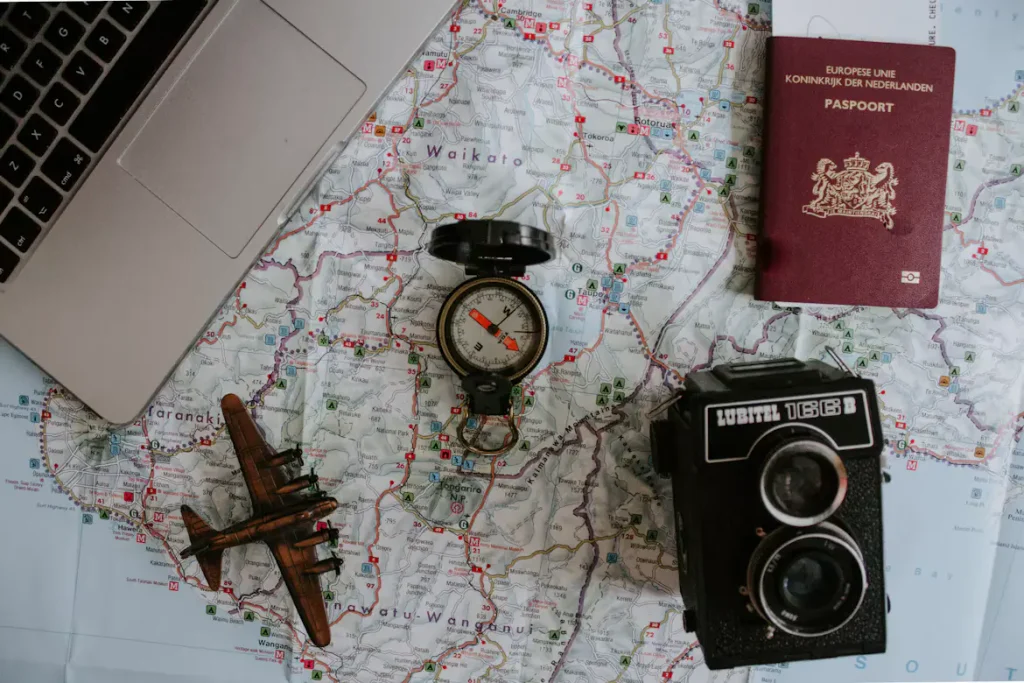
A Czech Schengen visa appointment in another city requires more than a confirmed time slot. You need a realistic schedule, orderly paperwork and a plan for getting around with minimal delays. Preparing each part of the trip in advance helps you arrive on time, present the correct documents and return home without unnecessary stress or expense.
Mastering Visa Appointment Logistics
Start by reading the appointment confirmation from beginning to end. Check the address, arrival instructions and rules covering phones, bags and other personal items. Some visa application centers operate separately from embassies or consulates, so searching only for the diplomatic mission can send you to the wrong building.
Plan to reach the area 30 to 45 minutes before your scheduled time. This gives you room for transit delays while avoiding an excessively early arrival, which some centers won’t allow. Save the address in your phone and take a screenshot in case mobile service is unreliable. Write down the center’s telephone number too.
Consider what you’ll do with your luggage. Visa offices may restrict large bags and transportation hub lockers can be full during busy periods. If your appointment takes place during a stopover in Hamburg, you can reserve a place to store bags at Hamburg Central Station through a local partner and continue to the appointment carrying only your document folder and permitted personal items.
Review the complete trip schedule the day before departure. Confirm local time zones, especially when the appointment email was issued by an office in another country. Set two alarms and avoid booking an inbound train or flight that arrives shortly before the appointment. A cancellation or 30-minute delay could cause you to miss a slot that took weeks to obtain.
Organizing Your Travel Documents
Create one document checklist based on the official instructions for your visa category. General online checklists can help you get started, but the embassy, consulate or application center has the final say on required forms, photo standards and supporting evidence.
Keep original documents in a slim waterproof folder with labeled sections. A practical order is appointment confirmation, passport, application form, photographs, payment receipt, travel plans, accommodation details and financial or employment records. Place papers in the same sequence as the official checklist so you can find each item quickly at the counter. Northwestern University’s guide to travel documents and logistics also recommends checking passport validity and entry requirements early in the planning process.
Carry photocopies where the instructions request them. Save encrypted digital copies in secure cloud storage, but don’t assume a digital file will replace a required paper original. This practical guide to visa and entry paperwork highlights the value of tracking forms, confirmations and deadlines in one place.
Complete a final page-by-page check two days before travel. Confirm that forms are signed, dates use the requested format and names match your passport exactly. Look at every photo requirement, including size, background and recency. Small differences can lead to extra visits or processing delays.
Navigating City Transit with Ease
Map the entire route before leaving home, including the trip from your arrival point to your accommodation and from there to the appointment center. Record the station names, line numbers, transfer points and walking time. A route that appears to take 25 minutes may require another 10 minutes to find the correct exit or building entrance.
Use the local transit operator’s website or app as your primary source. For Hamburg trips, the official HVV transit planner provides route options, departure details and fare information. Check the route again on the morning of your appointment because maintenance work or service disruptions can change the best connection.
Learn how tickets work before boarding. Some cities allow contactless payment at barriers, while others require a ticket from a machine, an app purchase or validation before travel. If you buy a day pass, check its geographic zones and validity period. A central-city ticket may not cover an airport or an appointment center outside the core area.
Build one backup route into your plan. Note a second train or bus connection and estimate the cost of a taxi or licensed ride service if public transit stops running. Keep the appointment address written on paper so you can show it to a driver or station employee. Comfortable walking shoes also matter because a transfer listed as a short walk can involve stairs, long platforms and several city blocks.
Smart Packing for Short Stays
Pack around the appointment, not the number of days away. Your document folder, passport and appointment confirmation belong in your personal item where they remain under your control. Don’t put original paperwork in checked luggage, even on a direct trip. Delayed baggage could separate you from documents that can’t be replaced on short notice.
For a one or two-night stay, choose clothing that works in layers and packs easily. Bring one appointment-appropriate outfit, a change of basics and a light outer layer suited to the forecast. Comfortable shoes are useful for stations and city walking. If formal clothing is expected, wear the bulkiest pieces during travel to save bag space and reduce creasing.
Keep chargers, prescription medicine and basic toiletries together in a small pouch. Carry medicine in its original labeled packaging and check any destination rules that apply to it. A compact power bank can help when you rely on your phone for tickets, directions and appointment messages, but confirm the transportation provider’s rules for carrying it.
Leave unnecessary valuables at home. A lighter bag makes transfers easier and reduces the number of belongings you must manage near the appointment center. Before leaving your accommodation, run through a short check: passport, documents, phone, wallet, keys and transit ticket. That 30-second routine can prevent a rushed return trip.
Pre-Booking Travel Essentials
Reserve the parts of the trip that could prevent you from attending the appointment if they sell out. These commonly include long-distance transportation, a hotel near a useful transit line and any required luggage storage. Flexible reservations can cost more, but they may be sensible when appointment schedules can change or processing instructions remain subject to updates.
Read cancellation terms before paying. Look for the final date for free cancellation, change fees and any conditions attached to the lowest fare. Take screenshots of each confirmation and keep the booking references in one note on your phone. Forward copies to an email account you can reach from another device.
Avoid creating a tight schedule around the appointment. If the trip involves a flight or a long rail connection, arriving the previous evening gives you more protection from cancellations and weather delays. When a same-day arrival is unavoidable, choose an earlier service and identify a later return option in case the appointment runs over its expected time.
Pre-booking can also cover practical details such as airport transfers, mobile data and breakfast near your accommodation. Confirm hotel check-in and check-out times, then ask about early luggage drop-off if needed. The final evening before departure, compare every reservation against the appointment date and city. Similar place names, reversed travel dates and bookings made for the wrong month are simple errors with expensive consequences.
Your last task should be a timed rehearsal of appointment morning. Work backward from the required arrival time, allow for breakfast and transit and set a firm departure time. Place your passport and document folder beside the bag you’ll carry so the two items that matter most leave with you.